
In the ever-evolving world of interior design, the choice of flooring can significantly impact the ambiance and functionality of a space. Whether you’re planning a renovation or designing a new home, selecting the right tile is crucial. Both limestone and ceramic tiles offer distinct advantages and aesthetic qualities, making them popular choices for homeowners. In this article, we’ll explore the differences between these two options, focusing on their aesthetics, durability, cost, and suitability for various spaces. By understanding these elements, you can make an informed decision that aligns with your design goals and lifestyle needs.
Comparing Aesthetics of Limestone and Ceramic Tiles
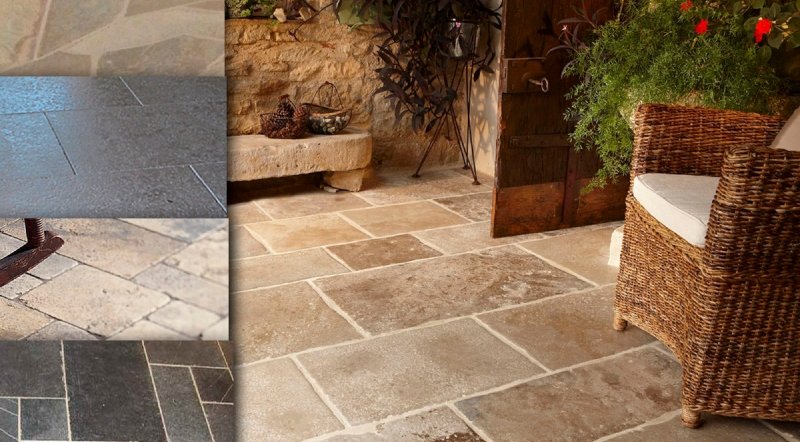
Limestone Tiles are renowned for their natural beauty and earthy tones, which can be elegantly incorporated into a variety of design styles. The subtle color variations and unique patterns of limestone create a classic and timeless look that can enhance any mood board. This makes limestone, including Limestone Tile, a preferred choice for spaces aiming for a sophisticated yet organic feel.
Ceramic tiles, on the other hand, offer a broader range of colors, patterns, and finishes. They can mimic the appearance of natural stone, wood, or even metal, thanks to advanced color rendering techniques. This versatility is ideal for those who want to experiment with different styles or require a specific color scheme to match their furniture, fixtures, and equipment (FF&E).
Ultimately, the choice between limestone and ceramic tiles largely depends on the desired aesthetic and the overall design scheme of your space. Both options can be seamlessly integrated into a well-thought-out site plan that reflects your personal taste.
Durability and Maintenance: Limestone Tiles vs Ceramic Tiles
Durability is a key consideration when selecting flooring materials, especially in high-traffic areas. Limestone Tiles are relatively durable but require regular sealing to protect against stains and moisture. This maintenance aspect can be a deciding factor for those who prefer a low-maintenance option.
Ceramic tiles are known for their strength and resilience, making them suitable for both residential and commercial settings. They are highly resistant to scratches and moisture, requiring minimal upkeep. This durability makes ceramic tiles an attractive option for those who prioritize longevity and ease of maintenance in their as-built drawings.
In terms of maintenance, ceramic tiles generally offer a more hassle-free experience compared to limestone. However, with proper care, Limestone Tiles can also provide lasting beauty and performance. It’s essential to weigh these factors against your lifestyle and the specific demands of your space.
Cost Analysis of Limestone Tile and Ceramic Tile
The cost of flooring is a significant factor in any renovation or construction project. Limestone Tiles tend to be more expensive than ceramic tiles due to the natural stone’s extraction and processing costs. However, the investment in limestone can be worthwhile for those seeking a luxurious and unique finish.
Ceramic tiles are generally more budget-friendly, making them an appealing option for cost-conscious homeowners. Their affordability, combined with a wide range of styles and finishes, allows for creative freedom without breaking the bank. According to a recent Architectural Digest report, ceramic tiles offer a cost-effective solution for achieving high-end looks.
When conducting a cost analysis, it’s important to consider not only the initial expense but also the long-term value and maintenance costs. This holistic approach will help ensure that your choice aligns with both your budget and design aspirations.
Choosing the Right Tile for Your Space: Limestone or Ceramic?
Deciding between limestone and ceramic tiles involves more than just aesthetics and cost. Consider the specific requirements of your space and how each material will perform under those conditions. For instance, a Limestone Tile might be ideal for a living room where elegance and warmth are desired, while ceramic might be better suited for a kitchen or bathroom due to its resistance to moisture and stains.
Additionally, consider the environmental impact of your choice. Limestone is a natural material, and selecting tiles from sources with LEED certification can contribute to a more sustainable project. Ceramic tiles, often manufactured with energy-efficient processes, also offer eco-friendly options. A recent BuildingGreen analysis indicated that sustainable sourcing is increasingly important for conscientious consumers.
Ultimately, the decision should reflect your personal style, functional needs, and environmental considerations. Whether you choose the timeless appeal of Limestone Tile or the versatile charm of ceramic, both options can beautifully complement your space.
Conclusion
Choosing the right tile can transform the look and feel of your home. Limestone offers natural elegance and warmth, while ceramic provides versatility and durability. By considering factors such as aesthetics, maintenance, cost, and environmental impact, you can select the tile that best complements your space. Whether you opt for the luxury of limestone or the practicality of ceramic, your choice will undoubtedly enhance your living environment. For more details, Click here